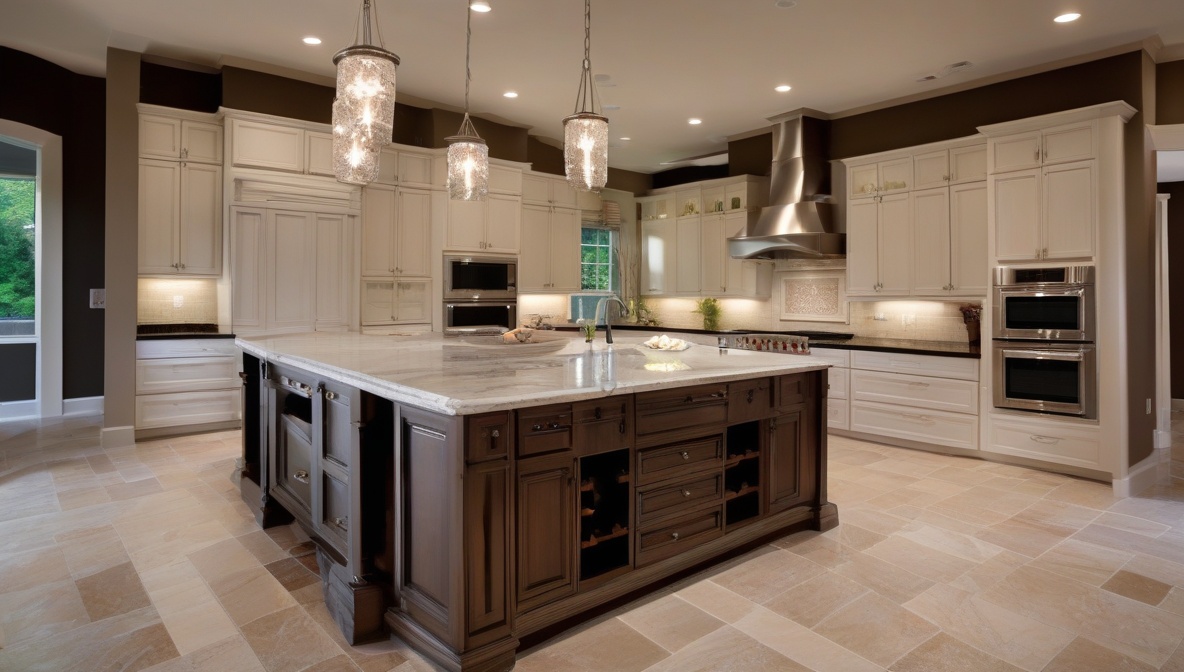
Kitchen lighting serves as the backbone of both functionality and aesthetics in what many consider the heart of the home. Proper kitchen lighting design transforms a utilitarian workspace into an inviting gathering place while ensuring you can safely and efficiently prepare meals, entertain guests, and navigate daily tasks. Whether you’re planning a complete kitchen remodel or simply updating your existing fixtures, understanding the fundamentals of layered lighting will help you create a space that’s both beautiful and highly functional.
Homeowners, interior designers, and contractors should all understand that effective kitchen lighting goes far beyond a single overhead fixture. The most successful kitchen lighting designs incorporate multiple layers of illumination, each serving specific purposes while working together harmoniously. This comprehensive approach addresses the unique challenges kitchens present, from eliminating shadows over work surfaces to creating ambient warmth for family gatherings.
In this guide, you’ll discover the essential principles of kitchen lighting design, learn about the three critical layers of illumination, explore fixture options that range from practical to spectacular, and gain actionable insights for implementing these concepts in your own space.
Understanding the Three Layers of Kitchen Lighting
Professional kitchen lighting design relies on three distinct layers: task lighting, ambient lighting, and accent lighting. Each layer serves a specific function, and their combination creates a comprehensive lighting scheme that adapts to various activities and moods throughout the day.
Task Lighting: The Foundation of Kitchen Functionality
Task lighting provides focused illumination for specific work areas where you perform detailed activities like chopping vegetables, reading recipes, or washing dishes. This layer eliminates shadows and reduces eye strain, making kitchen work safer and more efficient. Under-cabinet LED strips represent the most popular task lighting solution, providing direct illumination onto countertops without casting shadows from overhead fixtures.
Pendant lights over kitchen islands serve dual purposes as both task and decorative elements. When properly positioned 30-36 inches above the island surface, they provide excellent task lighting while adding visual interest to the space. Consider the scale of your island when selecting pendants – a standard 8-foot island typically accommodates two medium-sized pendants or three smaller ones.
Ambient Lighting: Creating Overall Illumination
Ambient lighting establishes the general illumination level throughout your kitchen, providing a base layer that makes the space comfortable and navigable. Recessed ceiling lights, flush-mount fixtures, and track lighting systems commonly fulfill this role. The key lies in distributing ambient light evenly to avoid harsh shadows while maintaining adequate brightness levels.
According to lighting professionals, kitchens require approximately 50 lumens per square foot for general ambient lighting. A 120-square-foot kitchen would therefore need about 6,000 lumens of ambient light, which translates to roughly six 100-watt equivalent LED bulbs distributed throughout the space.
Kitchen Lighting Fixture Selection and Placement
Choosing the right fixtures involves balancing functionality, aesthetics, and your kitchen’s architectural features. Each fixture type offers distinct advantages and works best in specific applications within your overall kitchen lighting scheme.
Recessed Lighting: Versatile and Unobtrusive
Recessed lights offer clean, contemporary appeal while providing excellent general illumination. Plan recessed fixtures 4-6 feet apart for even light distribution, and choose adjustable or directional trims to highlight specific areas. In kitchens with 8-foot ceilings, 4-inch recessed lights work well, while 6-inch fixtures suit higher ceilings better.
Modern recessed fixtures offer significant energy efficiency improvements. LED recessed lights consume 75-80% less energy than traditional incandescent options while lasting 25 times longer, making them an excellent long-term investment for your kitchen lighting upgrade.
Statement Pendant Lights and Chandeliers
Statement fixtures serve as focal points while providing functional illumination. Kitchen islands and dining areas within open-concept kitchens particularly benefit from eye-catching pendants or chandeliers. These fixtures should complement your kitchen’s style – industrial pendants suit modern farmhouse kitchens, while crystal chandeliers enhance traditional spaces.
Size matters significantly with statement fixtures. A pendant’s diameter should equal roughly one-third of your island’s width. For example, a 6-foot island calls for pendants approximately 24 inches in diameter. When using multiple pendants, space them evenly with at least 24 inches between fixtures.
Under-Cabinet Kitchen Lighting Solutions
Under-cabinet lighting represents one of the most impactful upgrades you can make to your kitchen lighting design. This task lighting eliminates the shadows that overhead fixtures cast when you’re working at counters, dramatically improving visibility for food preparation tasks.
LED Strip Lights: Modern and Efficient
LED strip lights offer excellent performance with minimal energy consumption. These flexible strips mount easily under cabinets and provide even illumination across counter surfaces. Look for strips with at least 300 LEDs per meter for consistent light output, and choose warm white (2700K-3000K) color temperatures to complement most kitchen designs.
Professional installation ensures optimal performance and longevity. Proper wiring, secure mounting, and appropriate dimming controls maximize your investment in under-cabinet kitchen lighting. Many homeowners find that adding a dedicated switch for under-cabinet lights allows them to use this layer independently for evening ambiance.
Puck Lights and Linear Fixtures
Individual puck lights work well for highlighting specific work areas or creating pools of light under shorter cabinet runs. Linear fixtures provide more uniform illumination and suit longer countertop runs better. Both options require careful spacing – puck lights should be positioned every 18-24 inches, while linear fixtures can provide continuous illumination across entire counter sections.
Kitchen Lighting Color Temperature and Dimming
Color temperature significantly affects your kitchen’s atmosphere and functionality. Measured in Kelvin (K), color temperature ranges from warm (2700K-3000K) to cool (4000K-6500K) light. Most kitchen lighting designs benefit from warm to neutral temperatures that create inviting environments while providing adequate task visibility.
Layering Different Color Temperatures
Successful kitchen lighting often incorporates multiple color temperatures strategically. Under-cabinet task lighting might use 3000K LEDs for excellent food preparation visibility, while pendant lights over dining areas could feature 2700K bulbs for warmer, more intimate lighting during meals.
Dimming capabilities add tremendous flexibility to your kitchen lighting system. Dimmable LEDs allow you to adjust lighting levels throughout the day – bright task lighting for cooking, moderate levels for casual dining, and low ambient lighting for evening entertaining. Smart dimmer switches provide even more control, allowing you to create preset scenes for different activities.
Practical Kitchen Lighting Implementation Tips
Implementing effective kitchen lighting requires careful planning and attention to detail. Start by assessing your current lighting situation and identifying areas where additional illumination would improve functionality or aesthetics.
Measuring and Planning Your Layout
Begin by creating a detailed floor plan that shows all major kitchen elements – cabinets, islands, appliances, and work areas. Mark existing electrical outlets and switches, as these may influence fixture placement and installation costs. Consider how you use different areas throughout the day to determine where each type of lighting will be most beneficial.
Traffic patterns also influence kitchen lighting placement. Avoid positioning fixtures where they might create shadows or glare in frequently traveled areas. According to Family Handyman, proper lighting placement can significantly improve kitchen safety by eliminating dark corners and ensuring all work surfaces receive adequate illumination.
Working with Electrical Requirements
Kitchen lighting often requires electrical upgrades, especially in older homes. Modern LED fixtures draw less current than traditional options, but adding multiple circuits may be necessary to handle increased fixture counts. Plan for dedicated circuits for under-cabinet lighting, pendant fixtures, and general illumination to provide maximum flexibility and safety.
Professional electrical work ensures code compliance and safe operation. Many jurisdictions require permits for significant electrical modifications, and proper installation protects your home and family while maintaining insurance coverage. HomeAdvisor reports that professional kitchen lighting installation typically costs between $1,200 and $4,500, depending on the complexity and number of fixtures involved.
Budget-Friendly Kitchen Lighting Updates
Transforming your kitchen lighting doesn’t require a complete renovation. Several cost-effective upgrades can dramatically improve both functionality and aesthetics while staying within modest budgets.
LED Retrofits and Fixture Updates
Replacing existing bulbs with LED equivalents provides immediate energy savings and improved light quality. LED bulbs last significantly longer than incandescent or fluorescent options, reducing replacement frequency and long-term costs. Many LED bulbs offer dimming capabilities even when used in existing fixtures not originally designed for dimming.
Updating fixture shades, covers, or trim pieces can modernize existing installations without rewiring. New pendant shades over islands or updated recessed light trims can refresh your kitchen’s appearance while maintaining the existing electrical infrastructure.
Adding Battery-Powered Accent Lighting
Battery-powered LED fixtures offer flexibility for adding accent lighting without electrical work. Under-cabinet battery lights, magnetic strip lights, and wireless puck lights can supplement existing kitchen lighting in rental properties or situations where electrical modifications aren’t practical.
While battery-powered options require regular maintenance, advances in LED efficiency and battery technology have significantly extended operating times. Some battery-powered fixtures now offer several months of operation between charges, making them practical alternatives for supplemental lighting needs.
Smart Kitchen Lighting Integration
Smart lighting technology brings unprecedented control and convenience to kitchen lighting design. Voice control, smartphone apps, and automated scheduling transform how you interact with your kitchen lighting throughout the day.
Connected Fixtures and Controls
Smart switches and dimmers work with existing fixtures to provide remote control and scheduling capabilities. These devices connect to your home’s Wi-Fi network, allowing control through smartphone apps or voice assistants. Popular brands like Lutron, Leviton, and TP-Link offer kitchen-appropriate smart switches with features specifically designed for culinary environments.
Smart bulbs provide another integration path, offering color-changing capabilities and individual fixture control. While more expensive than traditional LEDs, smart bulbs allow fine-tuned customization of color temperature and brightness throughout your kitchen lighting system.
Troubleshooting Common Kitchen Lighting Problems
Even well-planned kitchen lighting installations can encounter issues. Understanding common problems and their solutions helps maintain optimal performance and appearance over time.
Eliminating Shadows and Dark Spots
Shadows over work surfaces typically result from insufficient task lighting or poor fixture placement. Adding under-cabinet lighting addresses most countertop shadow issues, while strategically placed recessed lights can eliminate shadows in corners or between major appliances.
Dark spots often indicate inadequate overall illumination levels or poor light distribution. Calculate your kitchen’s total lumens requirement and compare it to your current fixture output to identify shortfalls. Repositioning existing fixtures or adding supplemental lighting usually resolves distribution problems.
Managing Glare and Brightness Issues
Excessive brightness or glare makes kitchens uncomfortable and can cause eye strain. Dimmer controls provide the most effective solution, allowing you to adjust light levels based on activities and time of day. Changing to lower-wattage bulbs or adding diffuser covers can also reduce glare from problematic fixtures.
Proper fixture selection prevents many glare issues. Choose pendants with downward-facing shades to direct light onto work surfaces rather than into eyes. Position recessed lights to avoid direct sightlines from seating areas or frequently occupied positions.
References
- Family Handyman – Home improvement guides and DIY lighting tips
- HomeAdvisor – Professional service costs and contractor connections
Frequently Asked Questions
How many recessed lights do I need in my kitchen?
Plan for one recessed light per 25-30 square feet of kitchen space for adequate ambient lighting. A 150-square-foot kitchen would need 5-6 recessed lights spaced evenly throughout the ceiling. Adjust this number based on other light sources like pendants or under-cabinet fixtures.
What’s the best color temperature for kitchen lighting?
Most kitchens benefit from warm white light (2700K-3000K) for general and ambient lighting, which creates inviting atmospheres. Task lighting can use slightly cooler temperatures (3000K-3500K) for better visibility during food preparation. Avoid very cool temperatures above 4000K, which can make food appear unappetizing.
Should I put dimmer switches on all my kitchen lights?
Dimmer switches provide excellent flexibility and should be installed on most kitchen lighting circuits. However, some specialty fixtures like range hood lights or appliance lighting may not require dimming. Under-cabinet task lighting particularly benefits from dimming capability for evening ambiance.
How high should pendant lights hang over a kitchen island?
Pendant lights should hang 30-36 inches above kitchen island surfaces for optimal task lighting and visual proportion. For higher ceilings, you can increase this distance slightly, but maintain at least 6.5 feet of clearance from the floor to the bottom of the fixture for comfortable movement around the island.
Can I install under-cabinet lighting myself?
Battery-powered under-cabinet lights can be installed by most homeowners as DIY projects. Hardwired under-cabinet lighting requires electrical connections and may need professional installation, especially if new circuits are required. Check local building codes, as some areas require permits for electrical modifications.
What’s the difference between task lighting and accent lighting in kitchens?
Task lighting provides focused illumination for specific work activities like food preparation or reading recipes. Accent lighting highlights decorative elements, architectural features, or creates visual interest through techniques like cabinet interior lighting or toe-kick illumination. Task lighting prioritizes function, while accent lighting emphasizes aesthetics.
How much should I budget for a complete kitchen lighting renovation?
Complete kitchen lighting renovations typically cost $1,500-$6,000 depending on kitchen size, fixture quality, and electrical requirements. Basic updates with new LED bulbs and simple fixtures start around $500, while premium installations with smart controls and designer fixtures can exceed $8,000. Factor in electrical work costs if new circuits are needed.
