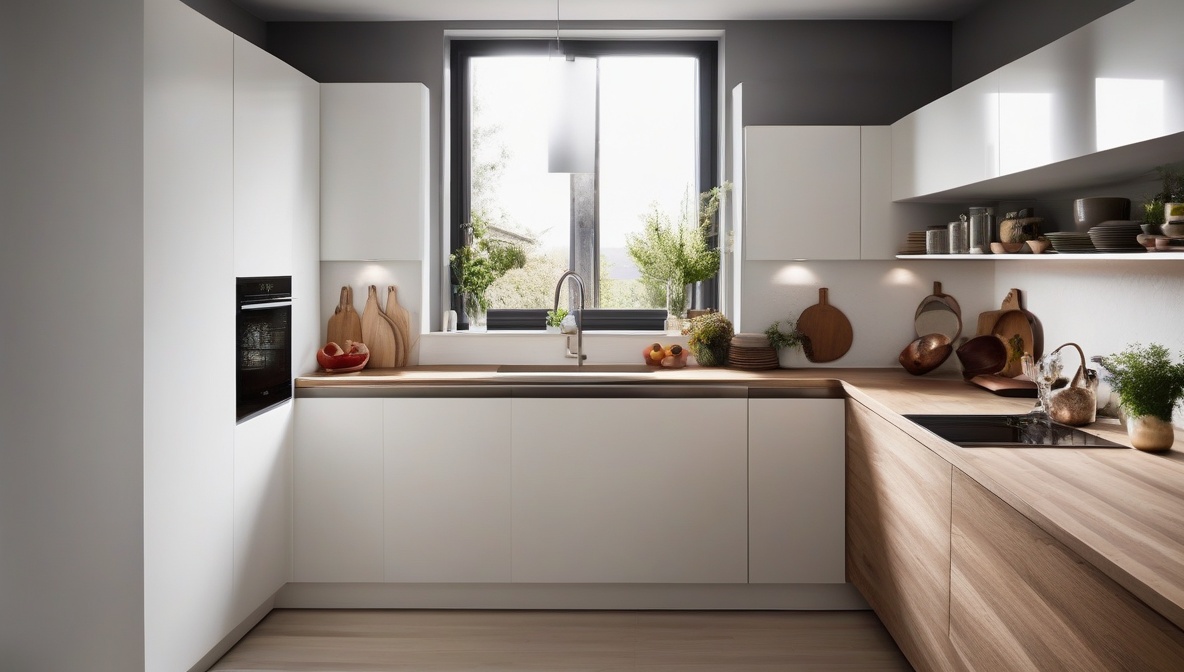
Small kitchen layouts present unique challenges that require strategic thinking and creative solutions. Whether you’re working with a galley-style apartment kitchen, a compact cooking nook, or a modest home kitchen, the key to success lies in maximizing every square inch while maintaining functionality and style. Understanding how to optimize small kitchen layouts isn’t just about cramming in more storage—it’s about creating a space that works efficiently for your daily cooking and living needs.
Homeowners with limited kitchen space, renters looking to improve functionality, and anyone planning a kitchen remodel in a compact area will benefit from these proven strategies. The principles we’ll explore can transform even the most challenging small spaces into highly functional culinary environments that don’t sacrifice style for practicality.
In this comprehensive guide, you’ll discover the fundamental layout principles that make small kitchens work, specific design strategies that maximize storage and counter space, and practical solutions you can implement regardless of your budget or renovation scope.
Understanding Small Kitchen Layout Fundamentals
The foundation of effective small kitchen layouts rests on the kitchen work triangle—the relationship between your sink, stove, and refrigerator. In compact spaces, this triangle becomes even more critical because every step counts. The ideal triangle keeps these three points between 4 and 9 feet apart, with no obstructions blocking the paths between them.
Successful small kitchen layouts prioritize efficiency over excess. This means choosing appliances that serve multiple functions, selecting storage solutions that utilize vertical space, and ensuring that every element serves a purpose. According to Houzz, the most successful small kitchen renovations focus on improving workflow rather than simply adding more features.
Zone planning becomes essential in compact kitchens. Create dedicated areas for food preparation, cooking, cleaning, and storage, even if these zones overlap. This organization principle helps prevent the chaos that can easily overwhelm small spaces and ensures that your kitchen functions smoothly during meal preparation.
Galley Kitchen Layout Optimization
Galley kitchens, with their two parallel walls of cabinets and appliances, are among the most common small kitchen layouts. The key to galley success lies in maintaining adequate walkway width—aim for at least 42 inches between counters to allow comfortable movement and cabinet access.
Position your sink and primary prep area on one side, with cooking appliances on the other. This arrangement prevents conflicts when multiple people use the kitchen and creates natural workflow patterns. Install pull-out drawers in lower cabinets to maximize accessibility, as reaching into deep cabinets becomes cumbersome in narrow galley spaces.
Consider removing upper cabinets on one side and replacing them with open shelving or a single row of shallow cabinets. This modification creates visual breathing room while maintaining storage capacity. Light-colored surfaces and under-cabinet lighting enhance the sense of openness in galley layouts.
Single-Wall Small Kitchen Layouts
Single-wall small kitchen layouts place all appliances, cabinets, and workspace along one wall, making them ideal for studio apartments and open-concept homes. Success with this layout requires careful appliance sizing and strategic storage planning.
Arrange appliances in the logical sequence of kitchen workflow: refrigerator, prep space, sink, additional prep space, and cooking area. This arrangement minimizes unnecessary movement during cooking. Install tall cabinets that extend to the ceiling to maximize vertical storage, and use the space above the refrigerator for items you don’t frequently access.
Add a kitchen island or rolling cart if space permits. Even a narrow island can provide additional prep space and storage while defining the kitchen area in open-concept layouts. Choose an island with wheels for flexibility, allowing you to move it when you need more floor space.
Maximizing Vertical Storage Solutions
Vertical space represents the greatest untapped potential in most small kitchen layouts. Floor-to-ceiling cabinetry provides significantly more storage than standard-height cabinets, with the upper shelves perfect for seasonal items and seldom-used appliances.
Install pull-down shelving systems in upper cabinets to make high storage accessible. These mechanisms bring items down to comfortable reaching height, eliminating the need for step stools and making every inch of cabinet space functional.
Utilize the interior of cabinet doors with slim shelving systems, hooks, and magnetic strips. These spaces can hold spices, cleaning supplies, cutting boards, and frequently used tools. Magnetic knife strips and spice containers mounted on cabinet doors free up valuable counter and drawer space.
Smart Appliance Selection for Small Kitchen Layouts
Appliance selection dramatically impacts the functionality of small kitchen layouts. Choose appliances that serve multiple purposes whenever possible. Combination microwave-convection ovens eliminate the need for separate appliances, while drawer-style dishwashers can be integrated more seamlessly into compact designs.
Counter-depth refrigerators align with cabinet depth, creating a streamlined appearance and preventing the bulky look that standard-depth refrigerators create in small spaces. Consider apartment-sized appliances only if your cooking habits truly support smaller capacities—otherwise, you’ll sacrifice functionality for minimal space savings.
Induction cooktops offer advantages in small kitchens because they generate less ambient heat and can be installed in smaller countertop cutouts than gas ranges. Portable induction units provide additional flexibility, allowing you to move cooking capability to where you need it most.
Creating Counter Space in Small Kitchen Layouts
Limited counter space plagues most small kitchen layouts, but creative solutions can dramatically increase your work surface. Install a cutting board that slides over your sink to create temporary prep space. Choose models with legs that span the sink opening, providing a stable work surface that stores easily when not needed.
Fold-down counter extensions mounted to walls or cabinet ends provide additional workspace that disappears when not in use. These solutions work particularly well at the end of galley kitchens or as breakfast bar extensions in single-wall layouts.
Keep counters clear by storing appliances in appliance garages or dedicated cabinet spaces. According to Architectural Digest, maintaining clear countertops creates the illusion of more space while providing maximum flexibility for food preparation tasks.
Lighting Strategies for Small Kitchen Layouts
Proper lighting transforms small kitchen layouts by creating the illusion of spaciousness and ensuring adequate task lighting for food preparation. Layer your lighting with ambient, task, and accent components to create a well-lit, inviting space.
Under-cabinet LED strips provide essential task lighting while creating visual depth by illuminating the backsplash. Install dimmable options to adjust lighting levels throughout the day. Pendant lights over islands or peninsula areas add vertical interest and define cooking zones.
Maximize natural light by keeping window treatments minimal and choosing light-colored surfaces that reflect illumination throughout the space. If privacy is a concern, consider top-down, bottom-up cellular shades that allow light while maintaining privacy.
Storage Innovation in Compact Kitchens
Innovative storage solutions separate functional small kitchen layouts from cramped, frustrating spaces. Drawer organizers maximize the utility of every drawer, keeping utensils and tools easily accessible while preventing the chaos that accumulates in unsorted storage spaces.
Lazy Susans in corner cabinets transform dead space into accessible storage for dishes, cookware, and pantry items. Choose models with high sides to prevent items from falling off during rotation. Pull-out shelving systems in pantry cabinets allow you to see and access items stored in the back.
Ceiling-mounted pot racks work well in kitchens with sufficient ceiling height, freeing cabinet space for other items while keeping cookware easily accessible. Choose locations that don’t interfere with workflow or create head-bumping hazards.
Color and Material Choices for Small Kitchen Layouts
Color and material selections significantly impact how spacious small kitchen layouts feel. Light colors reflect more light and create the illusion of expanded space, making white, cream, and light gray excellent choices for cabinets and walls.
High-gloss finishes on cabinets reflect light similarly to mirrors, enhancing the brightness and apparent size of compact kitchens. Balance glossy surfaces with matte elements to prevent an overly reflective environment that can feel cold or commercial.
Consistent flooring throughout adjacent areas creates visual continuity that makes spaces feel larger. Avoid busy patterns or stark color contrasts that can make small kitchens feel chopped up and cramped.
Budget-Friendly Small Kitchen Layout Improvements
Improving small kitchen layouts doesn’t require complete renovations. Simple modifications can dramatically enhance functionality and appearance. Replace cabinet doors with glass fronts to create visual depth, or remove some upper cabinet doors entirely for an open-shelving look.
Add peel-and-stick tile backsplashes to create visual interest and the appearance of more space through reflective surfaces. Install new cabinet hardware to update the look without major expense, choosing slim profiles that don’t protrude into walkways.
Reorganize existing storage with affordable drawer dividers, shelf risers, and door-mounted organizers. These simple additions can double the functional storage capacity of existing cabinets and drawers.
References
- Houzz – Home Design and Renovation Platform
- Architectural Digest – Design and Architecture Magazine
- HomeAdvisor – Home Improvement Services
Frequently Asked Questions
What is the minimum size for a functional small kitchen layout?
A functional kitchen can work in spaces as small as 70 square feet, though 100-150 square feet provides more comfortable working conditions. The key is efficient layout planning rather than total square footage.
Should I choose a galley or L-shaped layout for my small kitchen?
Galley layouts work better in narrow spaces (less than 8 feet wide), while L-shaped layouts suit square rooms and provide more counter space. Consider your room dimensions and traffic patterns when deciding.
How can I make my small kitchen feel larger without renovating?
Use light colors, add under-cabinet lighting, minimize window treatments, choose reflective surfaces, and keep counters clear. These changes create visual spaciousness without structural modifications.
What appliances should I prioritize in a very small kitchen?
Prioritize a good cooktop, adequate refrigeration, and efficient storage. A dishwasher drawer can be more valuable than a full-size unit, and combination appliances like microwave-convection ovens save space.
How much counter space do I really need in a small kitchen?
Aim for at least 36 inches of continuous counter space for food preparation. You can supplement this with fold-down extensions, cutting boards over sinks, or rolling carts for additional workspace.
Are kitchen islands practical in small kitchen layouts?
Islands work in small kitchens only if you can maintain 36 inches of clearance on all sides. Consider a narrow island, peninsula, or rolling cart as alternatives that provide benefits without overwhelming the space.
What’s the biggest mistake people make with small kitchen layouts?
Over-cluttering with too many decorative elements and failing to utilize vertical space effectively. Successful small kitchens prioritize function and maintain clean, uncluttered surfaces.
