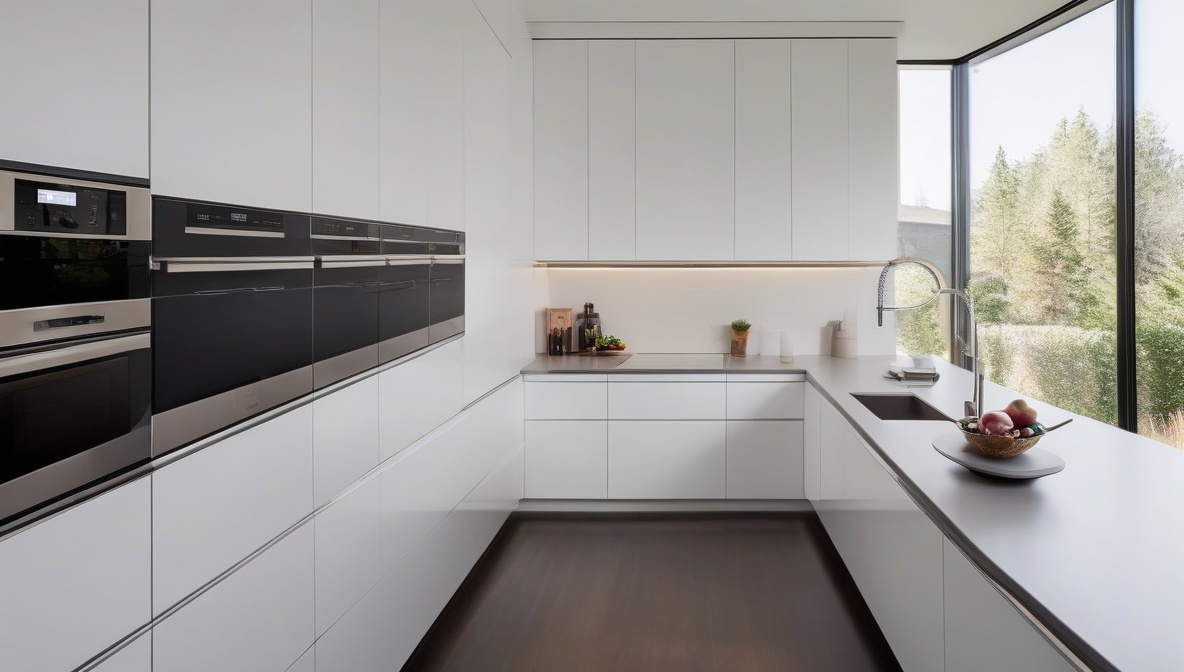
Smart kitchen technology has revolutionized how we cook, clean, and manage our culinary spaces, transforming ordinary kitchens into connected hubs of efficiency and convenience. Whether you’re planning a complete kitchen remodel or simply upgrading key appliances, understanding the latest smart kitchen technology options can help you create a more functional, energy-efficient, and enjoyable cooking environment.
Homeowners embarking on kitchen renovations, tech enthusiasts looking to modernize their homes, and anyone seeking to improve their daily cooking experience will benefit from incorporating smart kitchen technology. These innovations aren’t just about flashy features—they offer genuine improvements in energy efficiency, food safety, convenience, and overall kitchen functionality.
In this comprehensive guide, you’ll discover the most valuable smart kitchen technology appliances for modern homes, learn how to integrate them seamlessly into your remodeling plans, and understand which features truly enhance your daily life versus those that might be unnecessary bells and whistles.
Essential Smart Kitchen Technology Categories
Modern smart kitchen technology encompasses several distinct categories, each addressing specific needs and pain points in kitchen management. Understanding these categories helps you prioritize which upgrades will deliver the most value for your lifestyle and budget.
Connected Cooking Appliances
Smart ovens, ranges, and cooktops represent the heart of intelligent cooking technology. These appliances feature Wi-Fi connectivity, allowing remote monitoring and control through smartphone apps. High-end models include internal cameras, automatic temperature probes, and guided cooking programs that walk you through complex recipes step-by-step.
Smart induction cooktops offer precise temperature control and can automatically adjust heat based on the cookware detected. Some models integrate with recipe apps to automatically set optimal temperatures and timing for specific dishes, taking the guesswork out of challenging cooking techniques.
Intelligent Food Preservation
Smart refrigerators have evolved far beyond simple internet connectivity. Modern units feature internal cameras that let you check contents remotely, expiration date tracking, and integration with grocery delivery services. Some models include flexible temperature zones that can switch between refrigerator and freezer modes based on your needs.
Smart food storage systems extend beyond the refrigerator to include vacuum sealing systems with app connectivity and intelligent pantry organization tools that track inventory and suggest recipes based on available ingredients.
Smart Kitchen Technology for Enhanced Efficiency
Efficiency-focused smart appliances help reduce energy consumption, water usage, and food waste while streamlining daily kitchen tasks. According to Energy.gov, smart appliances can reduce energy consumption by 10-15% compared to traditional models through optimized operation cycles and remote management capabilities.
Advanced Dishwashing Solutions
Smart dishwashers automatically adjust water temperature, pressure, and cycle length based on soil sensors and load detection. Many models connect to utility companies’ smart grid systems to run during off-peak hours, reducing energy costs. Advanced models include interior cameras and can send notifications when cycles complete or if issues arise.
Water efficiency represents a crucial benefit, with many smart dishwashers earning EPA WaterSense certification by using 15-20% less water than standard models while maintaining superior cleaning performance.
Intelligent Ventilation Systems
Smart range hoods and ventilation systems automatically adjust fan speed based on cooking activity, smoke detection, and air quality sensors. These systems can integrate with smart cooking appliances to anticipate ventilation needs based on cooking methods and temperatures.
Some advanced systems include air quality monitoring that extends beyond cooking, helping maintain overall indoor air quality and alerting you to potential issues like gas leaks or excessive humidity.
Integration and Smart Kitchen Technology Ecosystem Planning
Successful smart kitchen technology implementation requires careful consideration of how different devices communicate and work together. The most effective smart kitchens utilize unified ecosystems rather than isolated smart devices.
Communication Protocols and Compatibility
Modern smart kitchen technology typically uses Wi-Fi, Zigbee, or Thread protocols for connectivity. Wi-Fi offers the broadest compatibility but can strain home networks with multiple connected devices. Zigbee and Thread create mesh networks that improve reliability and reduce network congestion.
When planning your smart kitchen upgrade, prioritize appliances from manufacturers that support multiple protocols or participate in the Matter standard, which promises improved cross-brand compatibility and easier integration.
Voice Control and Automation
Voice assistants like Amazon Alexa, Google Assistant, and Apple’s Siri can serve as central control hubs for your smart kitchen technology. Beyond simple on/off commands, advanced voice integration allows you to start cooking programs, check food temperatures, set multiple timers, and even add items to shopping lists.
Smart home automation platforms can create sophisticated cooking workflows, such as automatically turning on under-cabinet lighting when you start the coffee maker or adjusting kitchen ventilation when the oven reaches high temperatures.
Practical Implementation Strategies
Successfully incorporating smart kitchen technology into your remodeling project requires strategic planning and phased implementation. According to kitchen design experts at Houzz, the most successful smart kitchen projects focus on solving specific problems rather than adding technology for its own sake.
Electrical and Network Infrastructure Requirements
Smart kitchen technology demands robust electrical and network infrastructure. Most smart appliances require dedicated circuits and may need different outlet configurations than traditional models. Plan for additional 20-amp circuits and ensure adequate spacing between outlets to accommodate larger smart appliances.
Network connectivity is equally critical. Consider installing a dedicated Wi-Fi access point in or near the kitchen to ensure strong, consistent connectivity for all smart devices. Ethernet connections for stationary appliances like refrigerators can provide more reliable connectivity than Wi-Fi alone.
Budget Allocation and ROI Considerations
Smart kitchen technology typically costs 20-40% more than comparable conventional appliances, but offers potential savings through improved energy efficiency and reduced food waste. Priority should be given to appliances you use most frequently, such as refrigerators, dishwashers, and primary cooking appliances.
Consider the total cost of ownership, including potential utility savings, extended appliance lifespan through smart diagnostics, and improved home resale value. Many smart appliances qualify for utility rebates or tax incentives that can offset initial costs.
Practical Applications
Understanding how to leverage smart kitchen technology in daily life helps justify the investment and maximize benefits. The most successful smart kitchen implementations focus on solving real problems and enhancing existing workflows rather than completely changing how you cook and manage your kitchen.
Daily Workflow Enhancement
Smart kitchen technology excels at handling routine tasks and providing helpful reminders. Smart refrigerators can track expiration dates and suggest meals based on ingredients nearing expiration, reducing food waste. Connected ovens can send alerts when preheating is complete or when food reaches target internal temperatures, allowing you to multitask more effectively.
Meal planning becomes more efficient with smart appliances that can coordinate cooking times, automatically adjust temperatures for different cooking stages, and send notifications about optimal timing for adding ingredients or checking progress.
Energy Management and Sustainability
Smart appliances provide detailed energy usage data, helping identify opportunities for efficiency improvements. Many can automatically run during off-peak hours or when renewable energy generation is highest, reducing both costs and environmental impact.
Water usage monitoring in smart dishwashers and smart faucets helps identify leaks quickly and encourages conservation through usage tracking and efficiency recommendations.
Safety and Security Features
Modern smart kitchen technology includes numerous safety features that provide peace of mind. Smart ovens can automatically shut off if left unattended, send alerts if doors are left open, and monitor internal temperatures to prevent overcooking or potential fire hazards.
Smart smoke and carbon monoxide detectors specifically designed for kitchens can distinguish between cooking smoke and actual fire dangers, reducing false alarms while maintaining safety. Some integrate with smart ventilation systems to automatically increase airflow when elevated smoke levels are detected.
References
- Energy.gov – Energy Efficiency and Smart Appliance Information
- EPA WaterSense – Water Efficiency Standards and Certification
- Houzz – Kitchen Design and Remodeling Insights
Frequently Asked Questions
What smart kitchen technology should I prioritize in a remodeling budget?
Focus first on appliances you use daily: a smart refrigerator for food management, smart dishwasher for efficiency, and either a smart oven or cooktop depending on your cooking style. These provide the most practical benefits and usage opportunities to justify their higher costs.
How much additional electrical work is required for smart kitchen technology?
Most smart appliances require the same electrical connections as conventional models, but you may need additional outlets for charging stations and improved circuit capacity for high-power appliances. Budget 10-15% of your appliance costs for potential electrical upgrades.
Will smart kitchen technology work during internet outages?
Most smart appliances retain basic functionality during internet outages—you can still cook, clean, and store food. However, remote monitoring, voice control, and advanced features like guided cooking programs require internet connectivity. Local network features may continue working depending on your setup.
How do I ensure smart kitchen technology will be compatible with future devices?
Choose appliances that support multiple communication protocols and participate in industry standards like Matter. Avoid devices that only work with proprietary systems or single-brand ecosystems. Regular software updates are crucial, so select manufacturers with strong track records of ongoing support.
What smart kitchen technology features are actually worth the extra cost?
Focus on features that solve specific problems: food inventory tracking if you struggle with waste, remote monitoring if you’re often away during cooking, and energy management if utility costs are a concern. Avoid paying extra for novelty features you’re unlikely to use regularly.
How much can smart kitchen technology reduce energy costs?
Smart appliances typically reduce energy consumption by 10-25% through optimized operation cycles, better insulation, and smart grid integration. Actual savings depend on your usage patterns, local utility rates, and which appliances you upgrade. Focus on your highest-usage appliances for maximum impact.
Do smart kitchen technology appliances require special maintenance?
Smart appliances generally require the same physical maintenance as conventional models, plus occasional software updates and Wi-Fi network management. Many provide self-diagnostic features that can identify maintenance needs early, potentially extending appliance lifespan and preventing major repairs.
