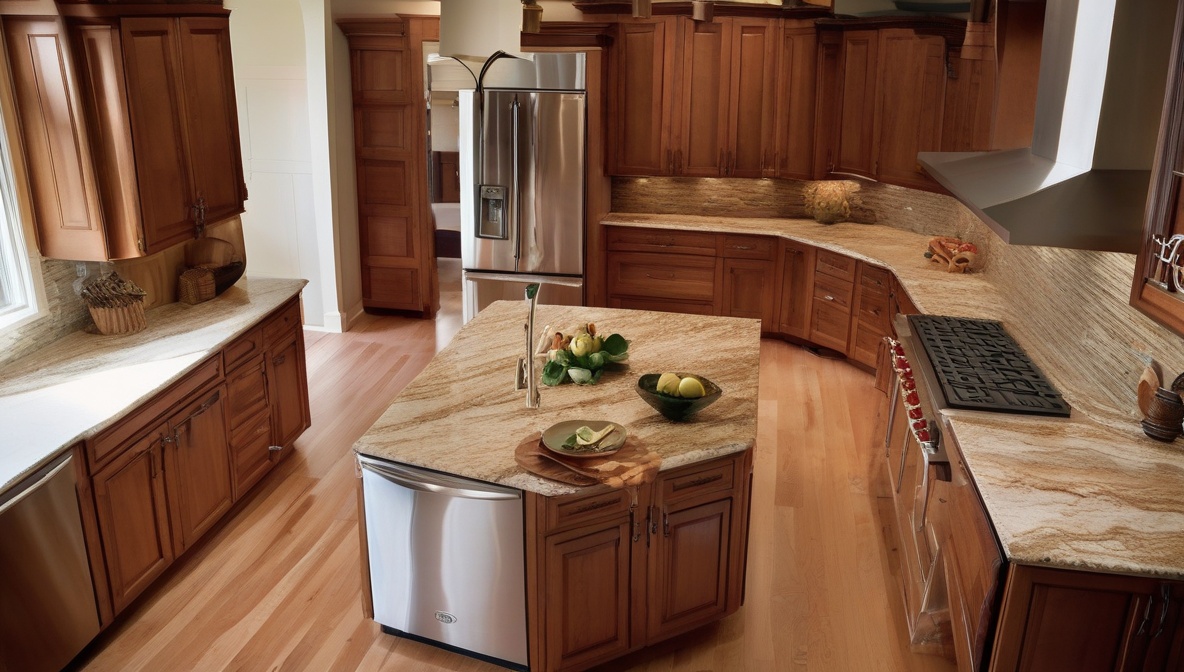
Choosing between custom stock cabinets represents one of the most significant decisions in any kitchen or bathroom remodeling project. This choice will impact not only your immediate budget but also your home’s long-term value, functionality, and aesthetic appeal. Whether you’re a first-time renovator or a seasoned homeowner looking to maximize your investment, understanding the nuances between these cabinet options is crucial for making an informed decision.
Homeowners, contractors, and interior designers should all pay close attention to this comprehensive analysis, as cabinet selection typically accounts for 35-40% of a kitchen remodeling budget. In this guide, you’ll learn the true cost differences, value propositions, quality considerations, and practical applications of both custom and stock cabinet solutions, enabling you to choose the option that best aligns with your specific needs, timeline, and budget constraints.
Understanding Custom Stock Cabinets: The Foundation of Your Decision
Before diving into cost comparisons, it’s essential to understand what distinguishes custom from stock cabinet options. Stock cabinets are pre-manufactured in standard sizes, typically produced in large quantities with predetermined styles, finishes, and configurations. These cabinets are readily available at home improvement stores and cabinet retailers, making them an attractive option for homeowners seeking quick turnaround times and predictable pricing.
Custom cabinets, conversely, are built to your exact specifications, measurements, and design preferences. They’re crafted by skilled cabinetmakers who can accommodate unique room dimensions, specialized storage needs, and distinctive aesthetic visions. According to the National Association of Home Builders, custom cabinetry allows for complete personalization of materials, hardware, finishes, and internal organization systems.
Semi-custom cabinets occupy a middle ground, offering stock cabinet convenience with some customization options. These typically feature standard cabinet boxes with customizable door styles, finishes, and limited size modifications, providing a balance between personalization and affordability.
Custom Stock Cabinets Cost Analysis: Breaking Down the Numbers
Understanding the financial implications of custom stock cabinets requires examining both upfront costs and long-term value considerations. Stock cabinets typically range from $100 to $300 per linear foot, depending on quality tier and finish options. This pricing makes them accessible for budget-conscious renovators who still want quality construction and attractive aesthetics.
Custom cabinets command significantly higher prices, generally ranging from $500 to $1,200 per linear foot, with luxury options extending even higher. However, this premium pricing reflects superior materials, craftsmanship, and complete design flexibility. The investment often pays dividends in terms of perfect fit, optimal space utilization, and unique design elements that truly reflect your personal style.
Semi-custom options typically fall between $200 to $650 per linear foot, offering a middle-ground solution for homeowners who want some customization without the full expense of completely custom cabinetry. These costs should include not only the cabinet boxes and doors but also hardware, installation, and any necessary modifications to accommodate your specific space requirements.
Hidden Costs and Budget Considerations
When evaluating custom stock cabinets pricing, factor in additional expenses that can significantly impact your total investment. Stock cabinets may require filler strips, crown molding, and additional trim pieces to achieve a finished appearance, potentially adding 15-20% to your base cabinet cost. Installation labor for stock cabinets typically ranges from $50 to $100 per hour, depending on your location and the complexity of the installation.
Custom cabinets often include more comprehensive pricing that encompasses design consultation, precise measurements, and specialized installation services. However, design changes during the manufacturing process can result in substantial additional costs, making thorough initial planning essential for budget management.
Quality and Durability: Custom Stock Cabinets Performance Over Time
The quality differential between custom and stock cabinets extends far beyond initial appearance, significantly impacting long-term performance and satisfaction. Stock cabinets utilize standardized construction methods and materials, typically featuring particle board or medium-density fiberboard (MDF) construction with laminate or wood veneer surfaces. While quality has improved substantially in recent years, these materials may show wear more quickly in high-use areas.
Custom cabinet construction typically employs solid wood frames, plywood box construction, and premium hardware systems designed for decades of reliable operation. The superior joinery techniques, such as dovetail drawer construction and mortise-and-tenon door frames, contribute to enhanced durability and refined operation. Bob Vila emphasizes that quality custom cabinets can last 50+ years with proper care, compared to 10-20 years for typical stock options.
However, premium stock cabinet lines now offer construction quality that approaches custom standards, featuring plywood construction, soft-close hinges, and full-extension drawer slides. These higher-tier stock options provide excellent value for homeowners who prioritize durability but don’t require complete customization.
Design Flexibility: Maximizing Your Space with Custom Stock Cabinets
Design flexibility represents perhaps the most significant differentiator when choosing between custom stock cabinets options. Stock cabinets come in predetermined widths, typically increasing in 3-inch increments, which may result in gaps requiring filler strips or compromise in optimal space utilization. Standard heights and depths may not accommodate unique architectural features, unusual room dimensions, or specialized storage requirements.
Custom cabinetry eliminates these constraints entirely, allowing for perfect integration with existing architectural elements, accommodation of unusual room dimensions, and creation of specialized storage solutions. Whether you need extra-deep drawers for large cookware, built-in spice racks, or ceiling-height pantry storage, custom options can fulfill virtually any functional requirement.
This design freedom extends to aesthetic considerations as well. Custom cabinets can incorporate unique wood species, specialized finishes, distinctive hardware, and architectural details that create truly one-of-a-kind spaces. The ability to match existing millwork, accommodate unusual appliance sizes, or create seamless built-in appearances often justifies the additional investment for discerning homeowners.
Installation Timeline: Custom Stock Cabinets Project Planning
Timeline considerations significantly impact the practical aspects of choosing between custom stock cabinets, particularly for homeowners working within tight renovation schedules. Stock cabinets offer immediate availability in many cases, with delivery typically occurring within 1-2 weeks of ordering. This rapid turnaround makes stock options ideal for quick renovations, rental property updates, or situations where extended kitchen downtime isn’t feasible.
Custom cabinet projects require substantially longer lead times, typically ranging from 6-12 weeks for design, manufacturing, and delivery. Complex designs or exotic materials may extend this timeline even further. However, this extended timeframe allows for thorough planning, design refinement, and coordination with other renovation elements.
The installation process also differs significantly between options. Stock cabinet installation can often be completed in 1-3 days, depending on kitchen size and complexity. Custom installations may require 3-5 days, as each piece requires precise fitting and adjustment. Factor these timeline differences into your overall renovation planning to ensure realistic expectations and proper coordination with other trades.
Resale Value Impact of Custom Stock Cabinets Choices
The impact of custom stock cabinets decisions on home resale value requires careful consideration of both immediate market conditions and long-term investment perspectives. High-quality stock cabinets in popular styles and finishes typically provide excellent return on investment, often recouping 70-80% of their cost in increased home value. The broad market appeal of well-executed stock cabinet installations makes them attractive to potential buyers who appreciate quality without extreme personalization.
Custom cabinets can provide superior returns when they address specific functional needs or complement high-end home features appropriately. However, highly personalized design choices may limit market appeal, potentially reducing return on investment. HomeAdvisor research indicates that custom cabinets in luxury homes often provide returns of 80-90%, while unique or unusual designs may see lower returns despite higher initial costs.
The key to maximizing resale value lies in choosing cabinet solutions that enhance functionality while maintaining broad market appeal. Whether custom or stock, focus on timeless designs, quality construction, and practical storage solutions that will appeal to future buyers while meeting your current needs.
Making the Right Custom Stock Cabinets Decision for Your Project
Determining the optimal choice between custom stock cabinets requires honest assessment of your priorities, constraints, and long-term goals. Consider stock cabinets when working with standard room dimensions, seeking quick project completion, operating within limited budgets, or renovating rental properties where maximum customization isn’t necessary.
Choose custom cabinets when dealing with unusual room dimensions, requiring specialized storage solutions, working with high-end home renovations where every detail matters, or when cabinet longevity and perfect fit are paramount concerns. The decision often comes down to balancing immediate budget constraints against long-term satisfaction and functionality requirements.
Semi-custom options deserve serious consideration when you need some personalization but want to control costs and timelines. These solutions can provide 80% of custom cabinet benefits at 60% of the cost, making them ideal for many renovation scenarios.
Practical Applications
Evaluating Your Space Requirements
Begin your cabinet selection process with thorough space analysis and needs assessment. Measure your existing space carefully, noting any architectural irregularities, ceiling height variations, or unusual dimensions that might impact cabinet fitting. Document your current storage challenges and wish-list items to determine whether stock cabinet configurations can meet your needs or if customization is necessary.
Consider your cooking habits, family size, and entertaining style when evaluating storage requirements. Avid cooks may benefit from custom solutions that incorporate specialized storage for large cookware, extensive spice collections, or professional-grade appliances. Families with young children might prioritize safety features and accessibility that custom designs can optimize.
Budget Allocation Strategies
Develop a comprehensive budget that accounts for all project elements, not just cabinet costs. Allocate 35-40% of your total kitchen budget to cabinetry, but remember that custom options may require higher percentages due to their premium pricing. Consider financing options if custom cabinets align with your goals but strain your immediate budget.
Explore hybrid approaches that combine custom and stock elements strategically. Use custom cabinets for highly visible areas or specialized functions while incorporating stock options for less critical spaces. This approach can provide custom aesthetics and functionality while managing overall project costs effectively.
Quality Assessment Techniques
When evaluating cabinet quality, examine construction details carefully regardless of whether you’re considering custom or stock options. Look for solid wood face frames, plywood construction, dovetail drawer joints, and quality hardware systems. Test door and drawer operation, paying attention to smooth closure and proper alignment.
Request samples of finishes and materials to evaluate quality and durability under your home’s lighting conditions. Quality stock cabinets should feature consistent finish application, smooth surfaces, and properly aligned doors and drawers. Custom cabinet samples should demonstrate superior craftsmanship and attention to detail that justifies their premium pricing.
References
- National Association of Home Builders – Home Construction and Remodeling Standards
- Bob Vila – Home Improvement and Cabinet Quality Guidance
- HomeAdvisor – Remodeling Costs and Return on Investment Data
Frequently Asked Questions
How much do custom stock cabinets typically cost per linear foot?
Stock cabinets range from $100-$300 per linear foot, while custom cabinets cost $500-$1,200 per linear foot. Semi-custom options fall between $200-$650 per linear foot. These prices include basic hardware and standard finishes, but additional features and premium materials increase costs significantly.
What’s the typical timeline difference between custom and stock cabinet installation?
Stock cabinets can be delivered within 1-2 weeks and installed in 1-3 days. Custom cabinets require 6-12 weeks for manufacturing and 3-5 days for installation. Complex custom designs or specialty materials may extend these timelines further.
Do custom cabinets always provide better return on investment than stock options?
Not necessarily. Quality stock cabinets often provide 70-80% return on investment due to broad market appeal. Custom cabinets can achieve 80-90% returns in luxury homes but may see lower returns if designs are too personalized or unusual for general market preferences.
Can stock cabinets accommodate non-standard room dimensions?
Stock cabinets come in predetermined sizes, typically in 3-inch increments. Non-standard dimensions often require filler strips, which can affect aesthetics and may not provide optimal space utilization. Semi-custom options offer limited size modifications that may address minor dimensional issues.
What quality indicators should I look for when comparing cabinet options?
Examine construction materials (solid wood vs. particle board), joinery methods (dovetail vs. stapled joints), hardware quality (soft-close hinges and full-extension slides), and finish consistency. Quality cabinets should operate smoothly with properly aligned doors and drawers regardless of price point.
Are there financing options available for custom cabinet projects?
Many custom cabinet manufacturers and retailers offer financing programs, including deferred interest options and extended payment plans. Home equity loans or lines of credit often provide lower interest rates for substantial cabinet investments. Compare all financing options to determine the most cost-effective approach for your situation.
How do I determine if my project needs custom or stock cabinets?
Choose stock cabinets for standard dimensions, quick timelines, and budget constraints. Opt for custom cabinets when dealing with unusual spaces, specialized storage needs, or high-end renovations where perfect fit and unique design elements are priorities. Consider your long-term plans and how long you’ll remain in the home when making this investment decision.
Conclusion
The decision between custom stock cabinets ultimately depends on your specific circumstances, priorities, and long-term goals. Stock cabinets offer excellent value, quick installation, and broad market appeal, making them ideal for many renovation projects. Custom cabinets provide superior flexibility, quality, and personalization but require larger investments in both time and money.
Focus on honest assessment of your needs, realistic budget planning, and quality evaluation regardless of which option you choose. Remember that both custom and stock cabinets can provide excellent results when selected thoughtfully and installed properly. The best choice is the one that aligns with your functional requirements, aesthetic preferences, timeline constraints, and financial capabilities while contributing positively to your home’s long-term value and your daily enjoyment of the space.
