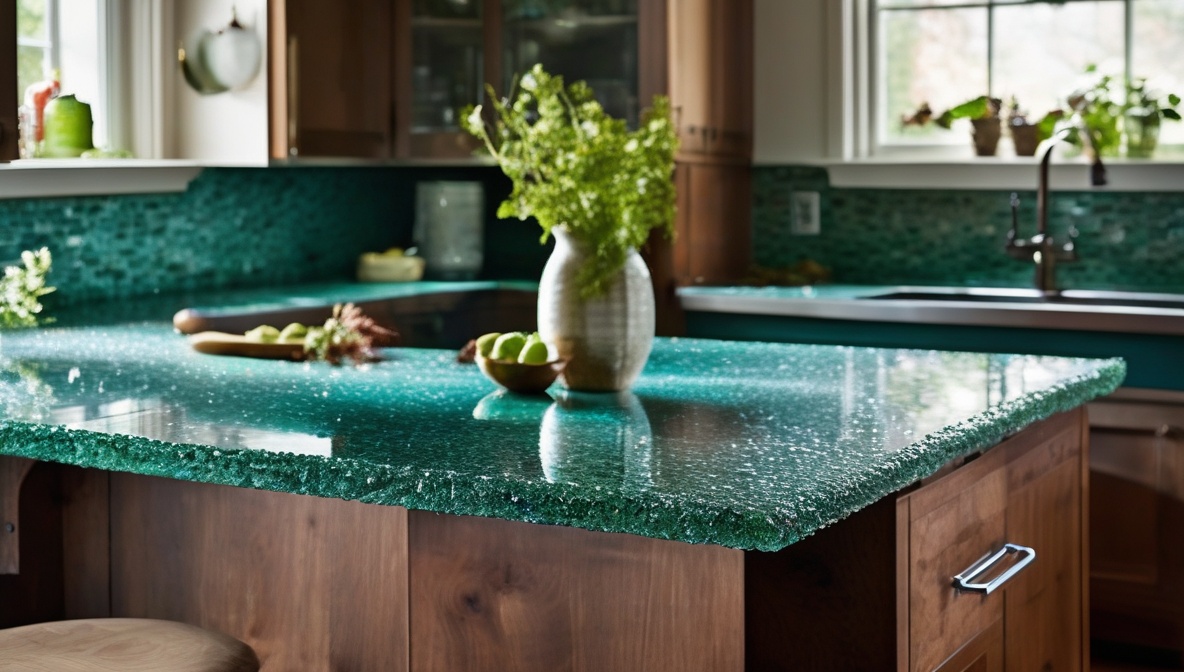
As environmental consciousness reshapes home renovation decisions, eco-friendly countertops have emerged as the perfect intersection of sustainability and style. These innovative surfaces prove that choosing green materials doesn’t mean compromising on beauty or durability – in fact, many sustainable options outperform traditional materials while reducing your home’s environmental impact.
Whether you’re a homeowner planning a kitchen remodel, an interior designer seeking sustainable solutions, or simply someone who values both aesthetics and environmental responsibility, understanding your eco-friendly countertop options is crucial. From recycled glass that sparkles like gemstones to reclaimed wood that tells a story, sustainable countertops offer unique character that mass-produced materials simply cannot match.
In this comprehensive guide, you’ll discover the most compelling sustainable countertop materials available, learn how to evaluate their environmental credentials, understand the cost implications, and get practical advice for selecting and maintaining these beautiful surfaces in your home.
Understanding What Makes Eco-Friendly Countertops Truly Sustainable
Not all materials marketed as “eco-friendly” are created equal. Truly sustainable eco-friendly countertops must meet several key criteria that go beyond simple recycled content. The most important factor is the material’s complete lifecycle impact, including extraction or sourcing, manufacturing processes, transportation requirements, durability, and end-of-life disposal options.
Sustainable countertops typically feature high recycled content, low volatile organic compound (VOC) emissions, responsible sourcing practices, and exceptional durability that extends their useful life. According to Energy.gov, choosing sustainable building materials can significantly reduce a home’s overall environmental footprint while often providing superior performance characteristics.
Local sourcing plays a crucial role in sustainability calculations. A recycled glass countertop manufactured nearby may have a smaller carbon footprint than bamboo shipped from overseas, despite bamboo’s rapid renewability. Understanding these nuances helps you make truly informed decisions about eco-friendly countertops.
Recycled Glass: Brilliant Beauty from Waste
Recycled glass countertops transform discarded bottles, windows, and other glass waste into stunning surfaces that rival natural stone. These eco-friendly countertops combine glass fragments with resin or cement binders, creating durable surfaces with unique visual depth and sparkle.
The manufacturing process diverts significant amounts of glass from landfills – typically 70-90% recycled content – while requiring less energy than producing new glass. Popular brands like Vetrazzo and IceStone offer extensive color palettes, from subtle earth tones to vibrant jewel shades, each with distinctive glass particle patterns that ensure no two installations look identical.
Maintenance requirements are minimal, with most recycled glass surfaces requiring only regular cleaning with mild soap and water. The non-porous nature of properly sealed recycled glass makes it naturally stain and bacteria-resistant, ideal for busy kitchens and bathrooms.
Bamboo: The Renewable Powerhouse
Bamboo countertops represent one of nature’s most remarkable renewable resources, with some species growing up to 35 inches in a single day. This rapid regeneration makes bamboo an exceptional choice among eco-friendly countertops, particularly when sourced from responsibly managed forests.
Modern bamboo countertops undergo sophisticated manufacturing processes that create surfaces 25% harder than traditional hardwoods. The natural antimicrobial properties of bamboo provide additional hygiene benefits, while the distinctive grain patterns offer warm, organic aesthetics that complement contemporary and traditional design styles.
Proper maintenance involves regular oiling to prevent moisture damage and occasional sanding to remove scratches. While bamboo requires more attention than stone surfaces, many homeowners appreciate the warm, living quality it brings to their kitchens.
Reclaimed Wood: Character with a Story
Reclaimed wood countertops breathe new life into materials salvaged from old barns, factories, and buildings scheduled for demolition. These eco-friendly countertops prevent valuable timber from entering landfills while providing unique character that new wood cannot replicate.
The environmental benefits extend beyond waste reduction. Reclaimed wood typically comes from old-growth forests, offering superior density and grain patterns compared to modern lumber. Popular species include reclaimed heart pine, chestnut, and oak, each carrying distinctive patina and weathering that tells the story of its previous life.
Installation requires expertise in working with varied wood conditions, as reclaimed materials may need extensive preparation. However, the resulting surfaces offer unmatched warmth and character, making each installation a unique work of art.
Paper Composite: Innovation from Everyday Waste
Paper composite countertops transform recycled paper and cardboard into surprisingly durable surfaces through high-heat compression and resin binding. Companies like PaperStone create eco-friendly countertops containing up to 100% post-consumer recycled paper, offering performance characteristics similar to solid surface materials.
The manufacturing process uses water-based resins and formaldehyde-free binders, resulting in surfaces with minimal off-gassing and excellent indoor air quality performance. Paper composite materials can be worked with standard woodworking tools, making installation and repairs straightforward for skilled contractors.
Color options range from classic black and brown to contemporary grays and blues, with consistent coloring throughout the material thickness. This allows for seamless repairs and edge treatments that maintain visual continuity.
Bio-Based Resins: The Future of Eco-Friendly Countertops
Emerging bio-based resin technologies are revolutionizing sustainable countertop manufacturing by replacing petroleum-based binders with plant-derived alternatives. These innovations enable the creation of eco-friendly countertops with reduced carbon footprints and improved biodegradability at end-of-life.
Current bio-based countertops incorporate agricultural waste products like wheat chaff, rice hulls, and corn stalks, combined with natural binders derived from soybeans or other renewable sources. The resulting surfaces offer excellent durability and moisture resistance while supporting agricultural communities through waste product utilization.
Performance characteristics continue improving as manufacturers refine formulations, with newer bio-based surfaces matching or exceeding traditional materials in stain resistance, impact tolerance, and heat resistance.
Evaluating Environmental Credentials and Certifications
Navigating environmental claims requires understanding key certifications and standards that validate sustainability claims. Look for eco-friendly countertops certified by recognized organizations such as GREENGUARD for low emissions, Forest Stewardship Council (FSC) for responsible wood sourcing, or Cradle to Cradle for comprehensive lifecycle assessment.
Third-party certifications provide independent verification of environmental claims, helping you identify genuinely sustainable products among marketing-driven “greenwashing.” According to EPA WaterSense, verified environmental certifications serve as reliable indicators of a product’s true sustainability performance.
Consider local availability when evaluating options, as transportation impacts can significantly affect the overall environmental footprint. A locally manufactured recycled material may offer greater sustainability benefits than a renewable resource shipped long distances.
Cost Considerations and Value Propositions
Understanding the full cost picture of eco-friendly countertops requires looking beyond initial purchase prices to include installation, maintenance, and lifecycle value. While some sustainable options carry premium pricing upfront, their durability and low maintenance requirements often provide superior long-term value.
Recycled glass countertops typically range from $60-120 per square foot installed, comparable to premium natural stone. Bamboo and reclaimed wood options generally cost $40-80 per square foot, while paper composite materials offer more budget-friendly pricing at $35-60 per square foot. According to HomeAdvisor, these sustainable alternatives often provide better value than traditional materials when maintenance costs are factored over time.
Factor in potential energy savings from improved indoor air quality and the added home value that comes with documented sustainable features. Many eco-conscious buyers specifically seek homes with verified green materials, potentially improving resale value.
Installation and Maintenance Best Practices
Successful installation of eco-friendly countertops requires contractors experienced with specific material characteristics and requirements. Different sustainable materials demand unique handling, cutting, and finishing techniques that may differ significantly from traditional countertop installation.
Bamboo and reclaimed wood surfaces require specialized moisture barriers and expansion considerations, while recycled glass needs diamond-blade cutting tools and dust collection systems. Paper composite materials can be worked with standard tools but require careful edge sealing to prevent moisture infiltration.
Maintenance protocols vary significantly among materials. Sealed recycled glass surfaces need only regular cleaning, while wood-based eco-friendly countertops benefit from periodic oiling and refinishing. Understanding these requirements before installation prevents costly damage and ensures optimal performance.
Design Integration and Aesthetic Considerations
Eco-friendly countertops offer unique aesthetic opportunities that distinguish sustainable kitchens from conventional designs. The inherent variation in recycled materials creates visual interest impossible to achieve with manufactured surfaces, while natural materials like bamboo and reclaimed wood provide warmth and texture.
Color coordination requires understanding how sustainable materials age and patina over time. Reclaimed wood develops deeper character with use, while bamboo may lighten or darken depending on exposure conditions. These natural changes should be embraced as part of the material’s authentic character rather than viewed as maintenance issues.
Consider pairing eco-friendly countertops with other sustainable design elements like LED lighting, low-VOC paints, and energy-efficient appliances to create cohesive environmental design themes that enhance both beauty and sustainability credentials.
Durability and Performance Expectations
Modern eco-friendly countertops deliver performance that often exceeds traditional materials in key areas. Recycled glass surfaces resist stains, scratches, and heat better than many natural stones, while properly treated bamboo offers superior hardness compared to conventional hardwoods.
Understanding realistic performance expectations prevents disappointment and ensures appropriate material selection for specific applications. High-traffic commercial kitchens may benefit from recycled glass or paper composite surfaces, while residential applications can successfully accommodate more maintenance-intensive options like reclaimed wood.
Warranty coverage varies significantly among sustainable materials and manufacturers. Research warranty terms carefully, as some eco-friendly countertops offer extended coverage that reflects confidence in material performance and durability.
References
- Energy.gov – Federal energy efficiency and renewable energy information
- EPA WaterSense – Environmental protection and certification guidance
- HomeAdvisor – Home improvement costs and contractor information
Practical Applications: Choosing the Right Eco-Friendly Countertops
Selecting the ideal sustainable countertop involves balancing environmental priorities, aesthetic preferences, budget constraints, and performance requirements. Start by evaluating your kitchen’s specific needs: Do you cook frequently? Host entertaining? Require low-maintenance surfaces?
For busy families, recycled glass or paper composite eco-friendly countertops offer excellent durability with minimal maintenance requirements. Home chefs who appreciate natural materials might prefer bamboo or reclaimed wood, accepting higher maintenance needs in exchange for unique character and warmth.
Request samples of shortlisted materials to evaluate appearance, texture, and how they complement existing design elements. Many sustainable materials look dramatically different in various lighting conditions, making in-home evaluation crucial for satisfaction with the final installation.
Work with contractors experienced in sustainable materials to ensure proper installation techniques and realistic timeline expectations. Specialized materials often require longer lead times and specific installation procedures that inexperienced contractors may handle incorrectly.
Frequently Asked Questions
Are eco-friendly countertops more expensive than traditional options?
Initial costs for sustainable countertops vary widely, with some options like paper composite being budget-friendly while recycled glass surfaces command premium pricing. However, many eco-friendly countertops offer superior durability and lower maintenance costs, providing better long-term value than traditional materials.
How do I verify that a countertop material is genuinely sustainable?
Look for third-party certifications from recognized organizations like GREENGUARD, FSC, or Cradle to Cradle. These certifications provide independent verification of environmental claims. Also consider local sourcing, recycled content percentages, and end-of-life disposal options when evaluating sustainability.
Do sustainable countertops require special maintenance procedures?
Maintenance requirements vary significantly among eco-friendly countertops. Sealed recycled glass needs only regular cleaning, while bamboo and reclaimed wood require periodic oiling. Paper composite surfaces need gentle cleaning products. Always follow manufacturer recommendations for optimal performance and warranty coverage.
Can eco-friendly countertops handle heavy kitchen use?
Many sustainable countertops offer excellent durability for heavy use. Recycled glass surfaces resist heat, stains, and scratches better than natural stone. Paper composite materials provide consistent performance similar to solid surface products. Choose materials appropriate for your specific usage patterns and maintenance preferences.
How long do eco-friendly countertops typically last?
Well-maintained sustainable countertops often outlast traditional materials. Recycled glass can last decades with minimal maintenance, while properly cared for bamboo and reclaimed wood surfaces can serve for 20-30 years or more. Durability depends heavily on material selection, installation quality, and maintenance practices.
Are there any health benefits to choosing sustainable countertops?
Many eco-friendly countertops offer superior indoor air quality through low or zero VOC emissions. Bamboo provides natural antimicrobial properties, while properly sealed recycled glass and paper composite surfaces resist bacteria growth. These materials contribute to healthier kitchen environments compared to some traditional options.
Can sustainable countertops be repaired if damaged?
Repair options vary by material type. Paper composite and some recycled glass surfaces can be sanded and refinished. Bamboo and reclaimed wood accept traditional woodworking repairs. Local damage often can be addressed without full replacement, making sustainable materials cost-effective over their lifetime.
Making the Sustainable Choice
Choosing eco-friendly countertops represents more than a design decision – it’s an investment in both your home’s future and environmental responsibility. The sustainable options available offer compelling combinations of beauty, performance, and environmental benefits that traditional materials simply cannot match.
The key to success lies in understanding your specific needs, researching material characteristics thoroughly, and working with experienced professionals who appreciate the unique requirements of sustainable materials. Whether you choose the sparkling beauty of recycled glass, the warm character of reclaimed wood, or the innovative performance of bio-based composites, your decision supports a more sustainable future while creating a stunning focal point for your home.
Remember that the most sustainable countertop is one that serves your needs effectively for decades to come. Choose materials and contractors wisely, maintain your surfaces properly, and enjoy the satisfaction of knowing your beautiful kitchen supports both your lifestyle and environmental values for years ahead.
