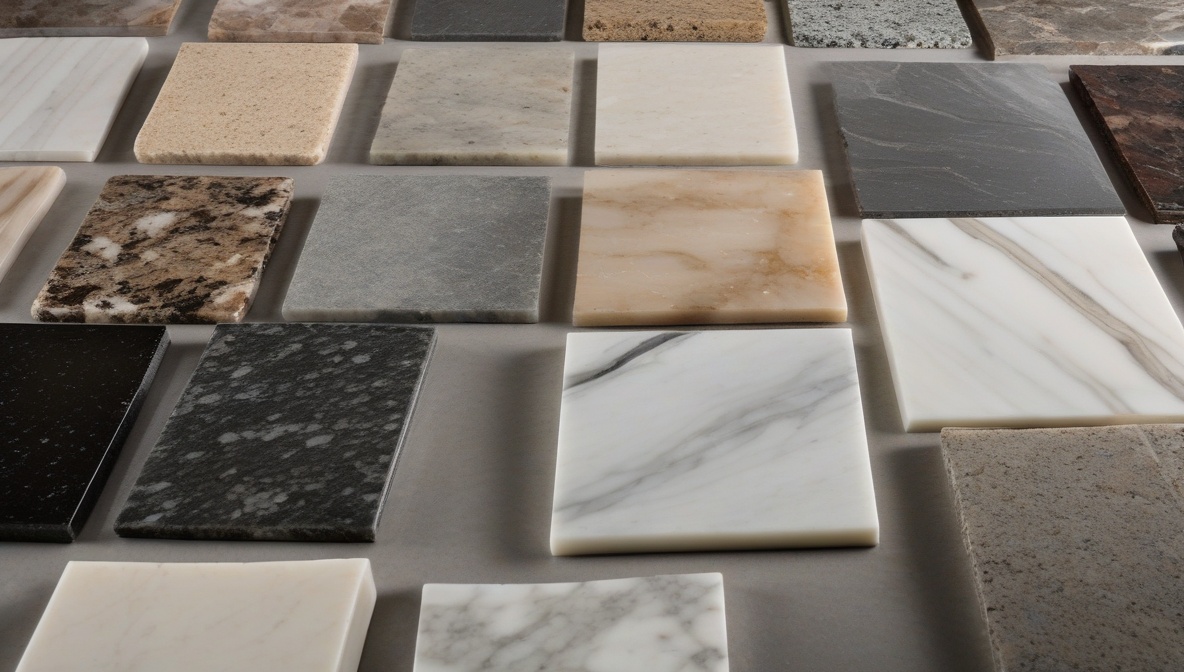
Choosing the right kitchen countertop materials can make or break your remodeling project. With kitchen renovations averaging $25,000 to $50,000, your countertop selection represents one of the most visible and functional investments you’ll make. The wrong choice can lead to costly repairs, constant maintenance headaches, and years of regret every time you walk into your kitchen.
Whether you’re a first-time renovator or a seasoned homeowner upgrading your space, understanding the durability, maintenance requirements, and long-term performance of different kitchen countertop materials is crucial for making an informed decision. This comprehensive guide will walk you through everything you need to know to select countertops that will serve your family beautifully for decades to come.
Understanding Kitchen Countertop Materials Durability Factors
Before diving into specific materials, it’s essential to understand what makes a countertop truly durable. Durability isn’t just about lasting a long time—it’s about maintaining functionality and appearance under real-world kitchen conditions.
The primary durability factors include scratch resistance, stain resistance, heat tolerance, impact resistance, and moisture resistance. According to National Association of Home Builders, countertops should withstand daily use for at least 15-20 years while maintaining their structural integrity and aesthetic appeal.
Kitchen environments are particularly challenging because they combine high traffic with exposure to acids (from citrus and vinegar), oils, hot cookware, sharp knives, and constant cleaning chemicals. Understanding how different materials respond to these stressors helps you choose the best option for your cooking habits and lifestyle.
The Science Behind Material Durability
Natural stone materials derive their strength from geological processes that create dense, crystalline structures. Engineered materials like quartz combine natural minerals with polymer resins to create surfaces that often outperform their natural counterparts in specific durability metrics.
Heat resistance varies dramatically between materials. While granite can typically handle temperatures up to 1,200°F without damage, laminate surfaces can show heat damage at just 275°F. This difference significantly impacts how you’ll use your kitchen and what precautions you’ll need to take.
Premium Natural Stone Kitchen Countertop Materials
Natural stone remains the gold standard for luxury kitchen countertops, offering unmatched beauty and proven longevity. Each stone type brings unique characteristics that affect both durability and maintenance requirements.
Granite: The Durability Champion
Granite consistently ranks as one of the most durable kitchen countertop materials available. This igneous rock scores 6-7 on the Mohs hardness scale, making it highly resistant to scratches from kitchen knives and cookware. Properly sealed granite can resist stains for years and handles heat exposure exceptionally well.
The key to granite’s longevity lies in professional installation and periodic sealing. Most granite surfaces require resealing every 1-2 years, a simple process that maintains the stone’s stain resistance. Colors with more quartz content generally offer superior durability, while exotic varieties may require more careful maintenance.
Quartzite: Natural Beauty with Superior Hardness
Often confused with quartz, quartzite is a natural metamorphic rock that’s actually harder than granite, scoring 7 on the Mohs scale. This makes it one of the most scratch-resistant options available among natural stones. Quartzite offers the organic beauty of natural stone with durability that rivals engineered materials.
The main consideration with quartzite is proper identification during selection. Some suppliers incorrectly label soft marble as quartzite, so working with reputable dealers and requesting hardness testing ensures you’re getting genuine quartzite’s superior durability.
Engineered Kitchen Countertop Materials Performance
Engineered surfaces have revolutionized the countertop industry by combining the best properties of natural materials with enhanced performance characteristics. These materials often offer superior consistency and durability compared to natural alternatives.
Quartz: The Low-Maintenance Powerhouse
Engineered quartz surfaces, composed of 90-95% ground natural quartz bound with polymer resins, offer exceptional durability with minimal maintenance requirements. Unlike natural stone, quartz never requires sealing and offers superior stain resistance due to its non-porous surface.
Modern quartz manufacturing has addressed early heat sensitivity concerns, with many brands now offering improved thermal resistance. However, extreme heat can still cause damage, so trivets remain recommended for hot cookware. The consistent quality and wide range of colors and patterns make quartz an increasingly popular choice for busy kitchens.
Solid Surface Materials: Repairable Durability
Solid surface materials like Corian offer a unique advantage: complete repairability. Scratches, burns, and stains can often be sanded out and the surface refinished to like-new condition. This renewable quality makes solid surface an excellent long-term investment despite being softer than stone alternatives.
These materials work particularly well in active family kitchens where the ability to repair damage outweighs the need for maximum hardness. Professional fabricators can create seamless installations with integrated sinks and backsplashes for a cohesive, easy-to-clean surface.
Budget-Friendly Durable Kitchen Countertop Materials
Durability doesn’t always require premium pricing. Several affordable options offer excellent longevity when properly selected and installed, making them ideal for budget-conscious renovations or rental properties.
High-Pressure Laminate: Modern Durability
Today’s high-pressure laminates bear little resemblance to the easily damaged options of decades past. Modern laminates resist heat up to 275°F, offer good stain resistance, and come in remarkably realistic stone and wood patterns. This Old House notes that quality laminate installations can last 15-20 years with proper care.
The key to laminate durability lies in professional installation with quality substrates and proper edge treatments. Post-formed edges eliminate seams where moisture can penetrate, significantly extending the material’s lifespan.
Tile Surfaces: Customizable and Repairable
Ceramic and porcelain tile offer excellent durability at moderate costs, with the added benefit of easy repair—individual damaged tiles can be replaced without disturbing the entire surface. Large-format tiles minimize grout lines, reducing maintenance requirements while maintaining the material’s inherent durability.
Modern porcelain slabs, available in 12mm thickness, compete directly with stone slabs while offering superior stain resistance and consistency. These engineered ceramic surfaces often outperform natural stone in laboratory durability tests.
Specialty Kitchen Countertop Materials for Specific Needs
Some situations call for specialized materials that excel in particular durability aspects, even if they require trade-offs in other areas.
Stainless Steel: Professional-Grade Durability
Commercial kitchens rely on stainless steel for good reason—it offers unmatched hygiene, heat resistance, and chemical resistance. For serious home cooks, stainless steel provides the ultimate in functional durability, though it requires acceptance of the industrial aesthetic and tendency to show water spots and fingerprints.
Quality varies significantly in stainless steel countertops. 16-gauge steel with proper support structures provides superior dent resistance compared to thinner alternatives. Marine-grade stainless steel offers enhanced corrosion resistance in coastal environments.
Concrete: Customizable and Long-Lasting
Properly mixed and sealed concrete offers excellent durability while allowing unlimited customization in colors, textures, and integrated features. Modern concrete mixes with polymer additives provide improved flexibility and crack resistance compared to traditional formulations.
The key to concrete’s longevity lies in professional mixing, proper curing, and high-quality sealers. Well-maintained concrete countertops can last decades while developing a desirable patina that enhances their character over time.
Comparing Kitchen Countertop Materials Maintenance Requirements
Long-term durability depends heavily on maintenance requirements and your willingness to perform necessary upkeep. Understanding these requirements helps ensure your chosen material will maintain its durability throughout its expected lifespan.
Natural stones typically require the most maintenance, with periodic sealing and immediate cleanup of acidic spills. Engineered materials generally offer lower maintenance requirements but may have specific cleaning product limitations. According to Bob Vila, understanding maintenance requirements before purchase prevents many durability issues that result from improper care.
Daily Care Impact on Longevity
Daily maintenance habits significantly affect countertop longevity regardless of material choice. Using cutting boards prevents knife damage across all surfaces. Trivets protect against heat damage even on heat-resistant materials. Immediate cleanup of spills prevents staining on porous surfaces.
The most durable installation won’t maintain its beauty and function without consistent care appropriate to the material. Establishing proper daily habits from installation ensures you realize the full durability potential of your investment.
Professional Installation Impact on Kitchen Countertop Materials Durability
Even the most durable materials can fail prematurely with poor installation. Professional fabrication and installation significantly impact long-term performance, making contractor selection as important as material choice.
Proper support structures prevent flexing and cracking in stone materials. Correct seaming techniques ensure joints remain invisible and structurally sound. Quality edge treatments prevent chipping and provide comfortable, safe surfaces for daily use.
Quality Control Factors
Professional installers understand material-specific requirements that affect durability. Stone materials require proper support spacing to prevent stress fractures. Engineered materials have specific adhesive and substrate requirements that impact long-term performance.
Template accuracy ensures proper fit without field modifications that can compromise durability. Professional-grade tools create clean cuts and polished edges that resist chipping and wear better than rough-finished alternatives.
Cost vs. Durability Analysis for Kitchen Countertop Materials
Understanding the relationship between upfront costs and long-term durability helps optimize your countertop investment. While premium materials command higher initial prices, their extended lifespan often provides better value over time.
Calculate total cost of ownership including maintenance, potential repairs, and replacement timeline. A granite countertop costing $60 per square foot that lasts 25 years costs $2.40 per square foot annually. Laminate at $25 per square foot lasting 15 years costs $1.67 annually, but factor in the disruption and additional costs of earlier replacement.
Value Engineering Considerations
Consider your timeline for home ownership when evaluating durability investments. If you plan to move within 5-7 years, moderately priced options with good appearance may provide better return on investment than premium materials whose durability benefits you won’t fully realize.
However, quality countertops significantly impact home resale value. Potential buyers often view kitchen quality as an indicator of overall home maintenance, making durable countertop selections valuable even for shorter ownership periods.
Environmental Factors Affecting Kitchen Countertop Materials
Your home’s environment significantly impacts countertop durability. High-humidity areas may affect certain materials differently than dry climates. Coastal environments with salt air create additional challenges for some surfaces.
Kitchen orientation affects heat exposure and UV radiation that can impact certain materials over time. South-facing windows create intense heat and light exposure that may cause color changes or thermal stress in sensitive materials.
Climate-Specific Considerations
Extreme temperature fluctuations can cause expansion and contraction cycles that stress countertop materials and their mounting systems. Understanding your local climate helps predict potential durability challenges and select appropriate materials and installation techniques.
Humidity levels affect natural stone differently than engineered materials. Very dry climates may cause some materials to become more brittle, while high humidity can affect sealers and adhesives over time.
References
- National Association of Home Builders – Home building industry standards and guidelines
- This Old House – Home improvement and renovation expertise
- Bob Vila – Home maintenance and improvement advice
Frequently Asked Questions
What is the most durable kitchen countertop material available?
Quartzite and high-quality granite rank among the most durable options, with quartzite slightly harder at 7 on the Mohs scale. However, engineered quartz offers comparable durability with lower maintenance requirements, making it practically more durable for many homeowners.
How long should quality kitchen countertop materials last?
Premium materials like granite, quartzite, and quality engineered quartz should last 20-30 years or more with proper care. Mid-range options like solid surface materials typically last 15-20 years, while high-quality laminate can provide 10-15 years of service.
Do darker or lighter countertop colors affect durability?
Color itself doesn’t significantly impact structural durability, but it affects appearance longevity. Darker colors show water spots, fingerprints, and light scratches more readily. Lighter colors hide these issues better but may show stains more prominently on porous materials.
Can damaged countertops be repaired, or do they need replacement?
Repair options vary by material. Solid surface materials can often be completely restored through sanding and refinishing. Stone materials can sometimes be professionally polished to remove minor scratches and etching. Severe damage typically requires replacement, making prevention crucial.
How much should I budget for countertop maintenance over time?
Natural stone materials require sealing every 1-2 years, costing $200-400 for professional application in average kitchens. Engineered materials need only regular cleaning with appropriate products. Factor $50-100 annually for proper maintenance supplies and periodic professional care.
What thickness provides the best durability for kitchen countertops?
Standard 3cm (1.25″) thickness provides excellent durability for most applications. Thicker materials (4-5cm) offer additional strength for large overhangs but don’t significantly improve durability in standard installations. Thinner materials (2cm) require more support but can be equally durable with proper installation.
Should I prioritize heat resistance or scratch resistance in my material choice?
Consider your cooking habits and family lifestyle. Serious cooks who frequently use hot cookware should prioritize heat resistance. Families with active kitchens and children might benefit more from scratch and impact resistance. Many modern materials offer good performance in both areas.
